Throughout the peak of Australia’s COVID-19 waves, pathology laboratories laboured around the clock to support public health efforts in limiting the spread of the virus to keep communities safe.
Some may wonder how labs were able to support a workload that was continuously growing, but alongside a great deal of hard work, some essential laboratory instruments helped ease the burden of the samples that were piling up.
When looking for an automation solution to help deal with the workload, one large pathology provider* covering a state with multiple remote communities, weighed up aspects such as footprint, adaptability, throughput, and reliability. However, even when instruments can tick these boxes labs also need to consider resources in making any change on the lab floor.
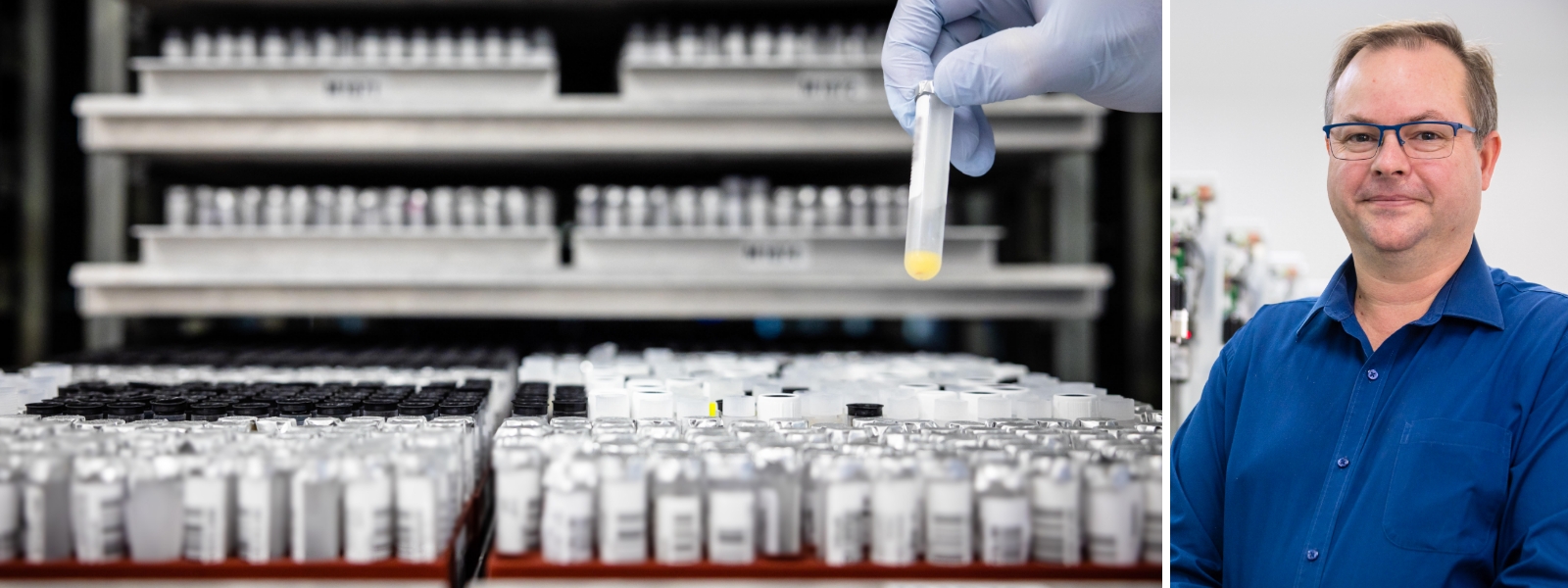
“It’s actually thinking about how do you bring that in for a trial, and then potentially switch over and implement that in the lab, given that it also takes resources, time and energy,” a Senior Scientist in Microbiology and Infectious Diseases explained.
When finding a supplier, the Senior Scientist said that his organisation did a lot of homework to see what potential solutions were around that might fit their needs.
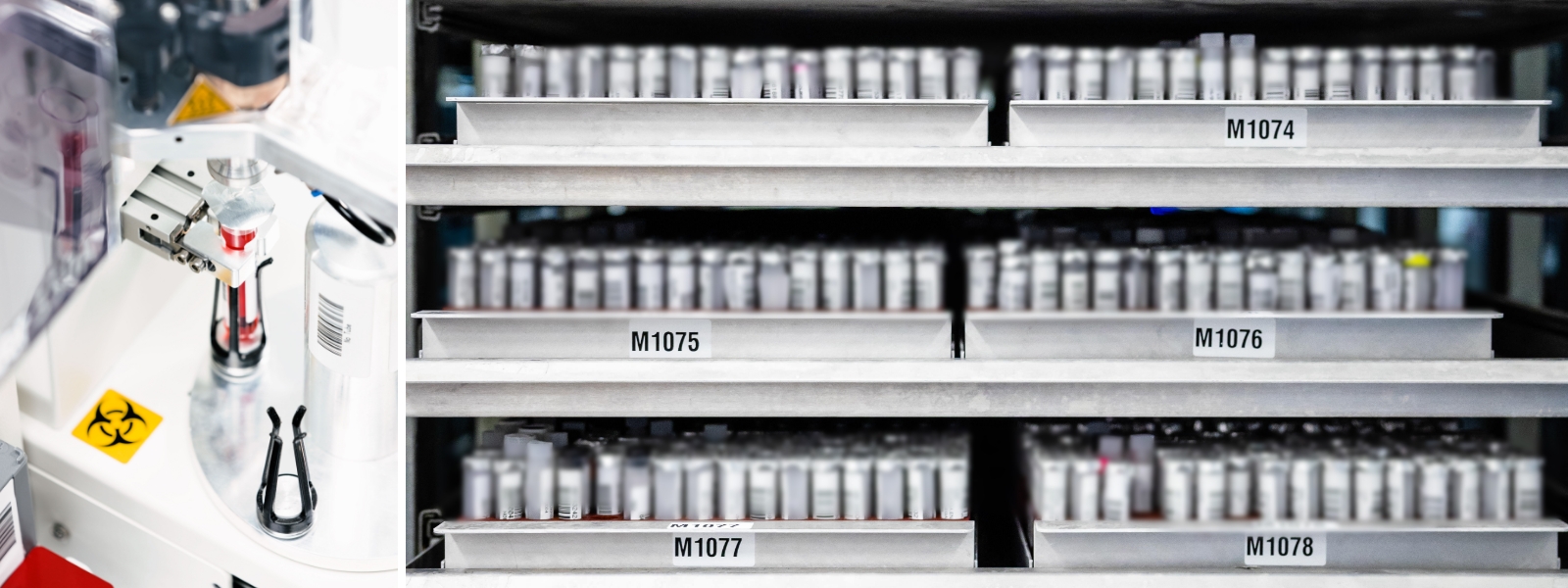
Their research revealed an instrument that could fulfil these needs in Brooks’ PathFinder 350A Archiver, which is designed to manage the storage of sample tubes in pathology laboratories through automation.
The Senior Scientist uses the PathFinder for its capping capabilities. His workplace is a high-capacity lab working at its limit during COVID-19 and has only been able to integrate some aspects of the PathFinder into their laboratory workflow so far, they have not yet been able to integrate the PathFinder with their Laboratory Information System (LIS).
Brooks was nevertheless able to work with their team closely to get the instrument up and running with minimal disruption during a period where the lab was extraordinarily busy.